Cylburn Arboretum Friends

  • About Us
    • Who We Are
    • Staff
    • Board
    • Our History
    • Cylburn Master Plan
  • Members
  • Rentals & Permits
  • Contact Us
  • Visit
    • Buildings and Facilities
    • Know Before You Go
    • Explore Cylburn Arboretum
    • Cylburn Arboretum Tour Information
  • Programs & Events
    • Upcoming Events
    • Monthly Programs
    • Annual Events
    • Field Trips
    • Cylburn Nature Camp
  • Give
    • Donate
    • Membership
    • Gifts of Stock
    • Ways to Give
  • Volunteer
  • Property Partners
  • Visit
    • Know Before You Go
    • Buildings and Facilities
    • The Collections
    • Cylburn Arboretum Tour Information
  • Programs & Events
    • Upcoming
    • Annual Events
    • Monthly Programs
    • Field Trips
    • Cylburn Nature Camp
  • Give
    • Ways to Give
    • Donate
    • Membership
    • Gifts of Stock
  • Volunteer
    • Volunteer Opportunities
  • Property Partners
  • About Us
    • Who We Are
    • Staff
    • Property Partners
    • Board
    • Our History
    • Financial Statements
  • Members
  • Rentals & Permits
  • Contact Us

Buildings and Facilities

For details and rental information please use the links below to learn about Cylburns facilities.
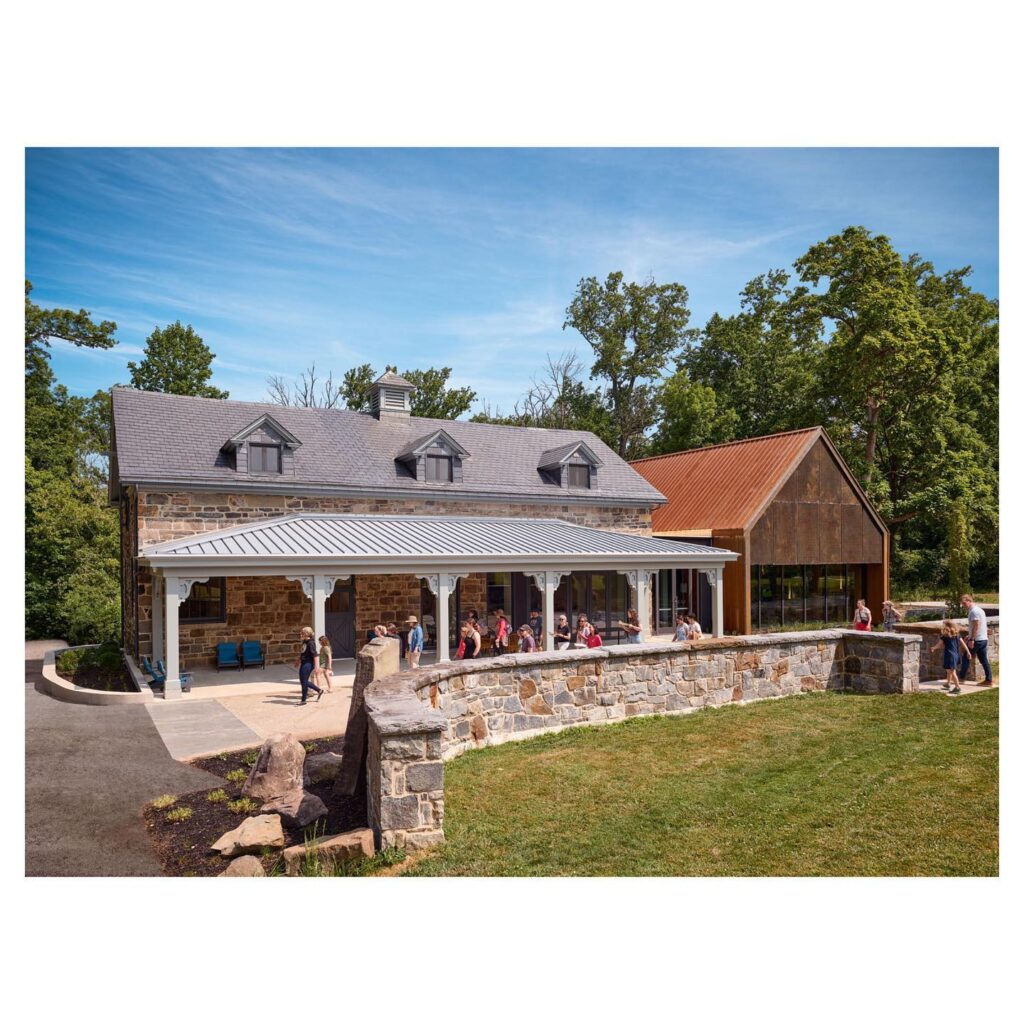
Nature Education Center

FALL Hours:

Tuesday-Saturday: 10am-4pm,

1st & 2nd Sundays: 10am-2pm


Vollmer Visitors Center

Vollmer Visitor Center

Hours: Tuesday-Sunday: 10am-4pm

Private events through Baltimore City Recreation and Parks. 


Cylburn Mansion House

Cylburn Mansion

First floor open to the public on the 2nd Saturday and 2nd Sunday each month, 10am-1pm.

Private events and monthly tours through Baltimore City Recreation and Parks. 


Greenhouse Classroom at Cylburn Arboretum

Greenhouse Classroom

Hours: CLOSED TO THE PUBLIC
Public access is for bathroom use only.


Visit Cylburn

  • Hours
  • Buildings and Facilities
  • Know Before You Go
  • The Collections
  • Cylburn Arboretum Tour Information

Visit

  • Hours
  • Buildings and Facilities
  • Know Before You Go
  • The Collections
  • Cylburn Arboretum Tour Information

Events

  • Upcoming
  • Monthly Programs
  • Annual Events
  • Field Trips
  • Cylburn Nature Camp

Give

  • Ways to Give
  • Donate
  • Membership
  • Gifts of Stock
  • Donate a Tree or a Bench

Members

  • Members
  • Monthly Programs

Rentals & Permits

  • Rentals & Photography

Contact Us

  • Contact Us
What could have made these scars on a young beech What could have made these scars on a young beech tree on Cylburn’s Ravine Trail? The answer is deer rubbing!

Male deer (bucks) have incredibly fast-growing antlers, and as they develop, they rely on a special covering tissue called velvet to provide blood flow and nutrients. Once the antlers are done growing, the velvet has served its purpose and dries up. In order to remove the dead tissue, bucks will scratch their antlers against trees. This behavior typically begins in mid-September and continues throughout the fall mating season as bucks continue to rub in order to establish scent-marked territory.

This rubbing can be harmful to trees, especially young ones, which are preferred by bucks for their small circumference (perfect for itchy antlers!) The scrapes deer cause can leave trees vulnerable to infections and stunt their growth. A tree’s cambium, which allows it to grow and expand, is directly underneath its bark, and is easily damaged by deer rubbing. If you visit Cylburn’s gardens, you can find many trees with deer guards around them in order to prevent rubbing damage. (Swipe right to see some examples.) A stop by the crepe myrtles in front of the mansion or a walk on the trails are good chances to see what can happen to trees that are not protected.
Follow on Instagram
  • Visit
  • Programs & Events
  • Give
  • Volunteer
  • Property Partners
  • About Us
  • Members
  • Rentals & Permits
  • Contact Us

Copyright © 2026 • Cylburn Arboretum Friends • 4915 Greenspring Avenue, Baltimore, Maryland 21209 • 410-367-2217